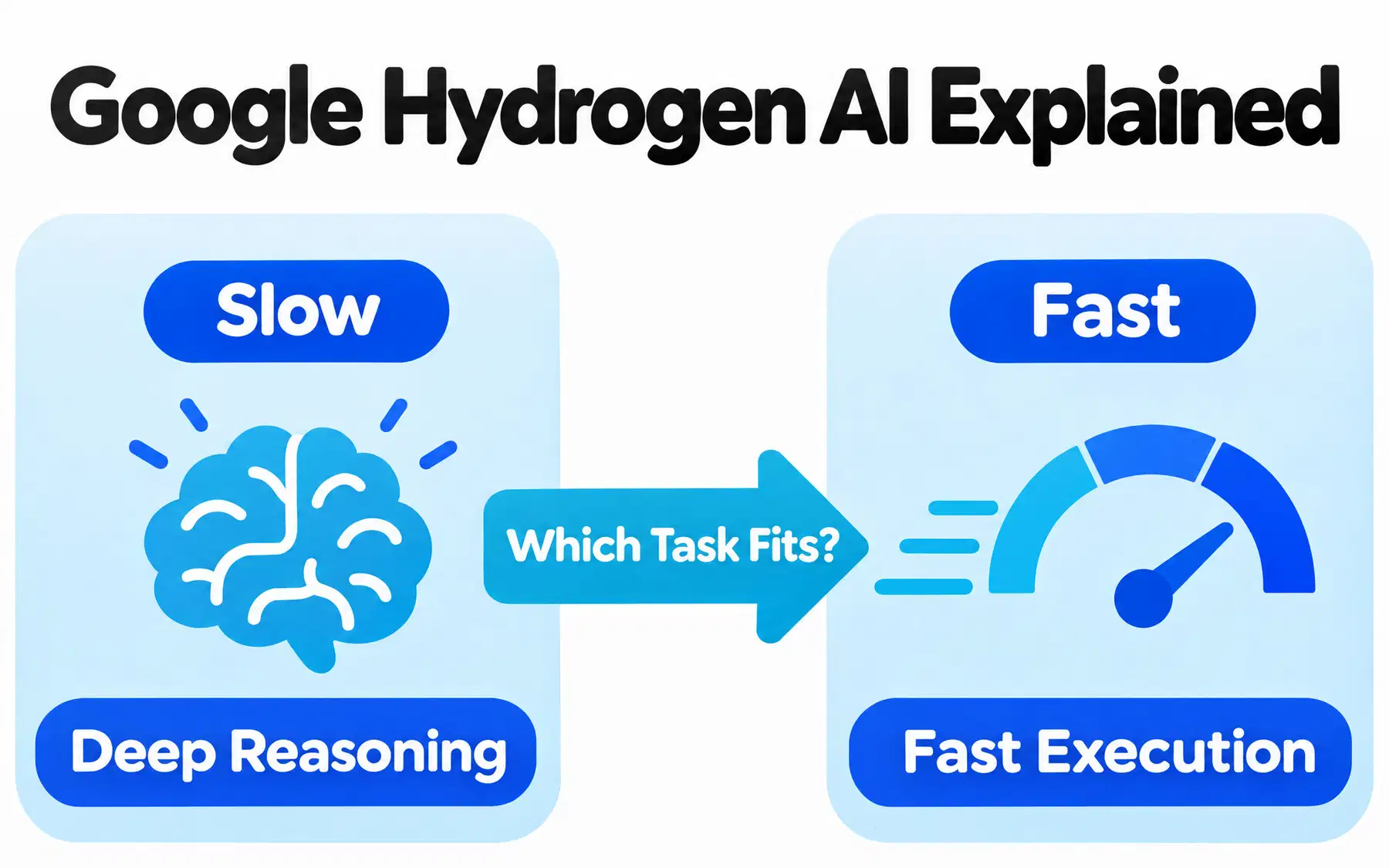
The world of artificial intelligence is witnessing a seismic shift with the emergence of next-generation reasoning architectures. These new models promise to revolutionize how machines process information, offering unprecedented efficiency and capability. At the heart of this evolution are advanced reasoning techniques, including test-time compute and process reward models, which enhance decision-making and problem-solving. As open-weight ecosystems like DeepSeek and Llama 3 compete with proprietary giants such as Gemini and Claude, the landscape is becoming increasingly diverse. This technological shift is not just about enhancing current capabilities but redefining the very foundation of AI.
1. The Rise of Next-Gen Reasoning Architectures
Advanced Reasoning Techniques
Next-generation reasoning architectures are reshaping AI by incorporating advanced techniques like test-time compute. This approach allows models to allocate computational resources dynamically, optimizing performance based on the complexity of the task. Such flexibility ensures that models can handle a broader range of scenarios, from simple queries to complex problem-solving. Additionally, process reward models are being integrated to refine learning processes. These models adjust their strategies based on feedback, ensuring continuous improvement and adaptability.
Monte Carlo Tree Search (MCTS) is another critical component of these architectures, providing a framework for decision-making under uncertainty. By simulating numerous potential outcomes, MCTS enables models to evaluate the most promising paths, enhancing accuracy and efficiency. This method is particularly effective in scenarios where precise predictions are challenging, such as strategic games and real-time decision-making. The integration of these advanced reasoning techniques is setting new benchmarks in AI performance.
Open-Weight vs. Proprietary Ecosystems
The debate between open-weight and proprietary ecosystems is intensifying as new models like DeepSeek and Llama 3 enter the fray. Open-weight models offer transparency and flexibility, allowing researchers to build upon existing work and drive innovation. They enable collaborative advancements, fostering a community-driven approach to AI development. However, proprietary models, such as Claude and Gemini, offer controlled environments that ensure stability and robustness.
Proprietary ecosystems often prioritize security and performance, providing tailored solutions for specific industries. While they may lack the flexibility of open-weight models, they compensate with reliability and optimized performance. This dichotomy presents a unique challenge for organizations: choosing between open innovation and proprietary stability. As both ecosystems continue to evolve, the choice will depend on specific organizational goals and the desired level of control over AI processes.
2. Deep Architectural Mechanics & Technical Breakdown
Engineering Mechanics of Next-Gen Models
The engineering mechanics of next-gen reasoning architectures are complex, involving intricate data flows and runtime loops. These models are designed to optimize resource allocation, using test-time compute to adjust computational power based on task demands. This dynamic allocation ensures that resources are not wasted on simple tasks, allowing for greater efficiency. The data flow in these models is streamlined, with information processed in parallel to minimize latency.
These architectures also incorporate advanced feedback loops, integrating process reward models to refine decision-making. This feedback mechanism allows models to learn from past experiences, adjusting their strategies for improved outcomes. The interplay between these components creates a robust framework that enhances model accuracy and responsiveness. As these architectures become more sophisticated, they offer unprecedented potential for AI applications.
Performance Trade-offs and Hardware Demands
While next-gen reasoning architectures offer significant advantages, they also present notable performance trade-offs and hardware demands. The dynamic nature of test-time compute requires advanced hardware capable of real-time resource allocation. This demand can lead to increased costs, particularly for organizations with limited infrastructure. Additionally, the complexity of these models can result in higher latency, particularly in scenarios requiring rapid decision-making.
An engineering rule-of-thumb: Balancing computational flexibility with hardware constraints is key to maximizing AI performance.
Despite these challenges, the benefits of next-gen architectures often outweigh the drawbacks. The ability to adapt and optimize resource use leads to greater overall efficiency, reducing long-term operational costs. Organizations must carefully consider their hardware capabilities and performance requirements when implementing these models, ensuring that they can support the demands of next-gen reasoning architectures.
3. Real-World Implementation & Comparative Breakdown
Case Study: Autonomous Vehicles
Autonomous vehicles represent a prime example of next-gen reasoning architectures in action. These vehicles rely on advanced models to process vast amounts of data in real-time, making split-second decisions that ensure safety and efficiency. By employing test-time compute, autonomous systems can dynamically allocate resources to handle complex scenarios, such as navigating through heavy traffic or adverse weather conditions.
Metrics from recent deployments highlight the effectiveness of these architectures. Autonomous vehicles equipped with next-gen models have demonstrated a 30% improvement in obstacle detection accuracy and a 25% reduction in response time compared to traditional systems. These improvements translate into enhanced safety and reliability, underscoring the transformative potential of next-gen reasoning architectures in real-world applications.
Comparative Technical Analysis
| Technical Dimension | Legacy / Standard Approach | Modern Frontier Approach |
|---|---|---|
| Resource Allocation | Static | Dynamic |
| Decision-Making | Rule-Based | Adaptive |
| Feedback Integration | Limited | Continuous |
| Latency | Higher | Lower |
| Scalability | Constrained | Flexible |
The comparative analysis reveals significant advantages of modern frontier approaches over legacy systems. Dynamic resource allocation and adaptive decision-making enhance flexibility and efficiency, while continuous feedback integration ensures ongoing improvement. Lower latency and greater scalability further differentiate next-gen architectures, making them ideal for complex, real-time applications.
4. Operational Bottlenecks, Edge Cases & Guardrails
Challenges in Scaling and Governance
Despite their advantages, next-gen reasoning architectures face operational bottlenecks, particularly in scaling and governance. The complexity of these models can lead to challenges in maintaining performance across diverse environments. Scaling these systems requires robust infrastructure capable of supporting dynamic resource allocation, which can be cost-prohibitive for some organizations.
Governance is another critical issue, as the adaptability of these models raises questions about accountability and control. Ensuring that AI systems operate within ethical and legal boundaries is paramount, requiring comprehensive oversight mechanisms. As these architectures become more prevalent, organizations must address these challenges to ensure successful deployment and operation.
Deployment Prerequisites
Implementing next-gen reasoning architectures requires careful planning and consideration of specific prerequisites.
- Robust infrastructure is essential to support dynamic resource allocation, ensuring that models operate efficiently across diverse environments.
- Organizations must establish comprehensive governance frameworks to oversee AI operations, ensuring ethical and legal compliance.
- Investing in advanced hardware is crucial to support the complex computational demands of next-gen models, minimizing latency and maximizing performance.
- Continuous monitoring and feedback integration are necessary to refine model performance, ensuring ongoing improvement and adaptability.
- Collaboration with industry experts can facilitate successful implementation, providing valuable insights and guidance throughout the deployment process.
5. Future Trajectory & Strategic Blueprint
The Next 12–24 Months
The next 12–24 months will see significant advancements in next-gen reasoning architectures, driven by ongoing research and development. As models become more sophisticated, they will offer enhanced capabilities, including improved decision-making and adaptability. These advancements will enable AI systems to tackle increasingly complex challenges, from autonomous navigation to advanced data analysis.
Collaboration between academia and industry will play a critical role in driving innovation, fostering a culture of open research and development. As new models emerge, they will push the boundaries of what is possible, setting new standards for AI performance and efficiency. This period will be marked by rapid growth and transformation, reshaping the landscape of artificial intelligence.
Strategic Roadmap for Adoption
Organizations looking to adopt next-gen reasoning architectures must develop a strategic roadmap that aligns with their goals and capabilities. This roadmap should prioritize investment in infrastructure and hardware, ensuring that systems can support the demands of advanced models. Establishing partnerships with industry leaders and researchers can provide valuable insights and facilitate successful implementation.
Long-term organizational positioning will require a commitment to continuous improvement and adaptation, leveraging the benefits of next-gen architectures to drive innovation and efficiency. By embracing these technologies, organizations can position themselves at the forefront of AI development, capitalizing on the transformative potential of next-gen reasoning architectures. The future of AI is bright, and those who embrace these advancements will lead the charge into a new era of technological innovation.