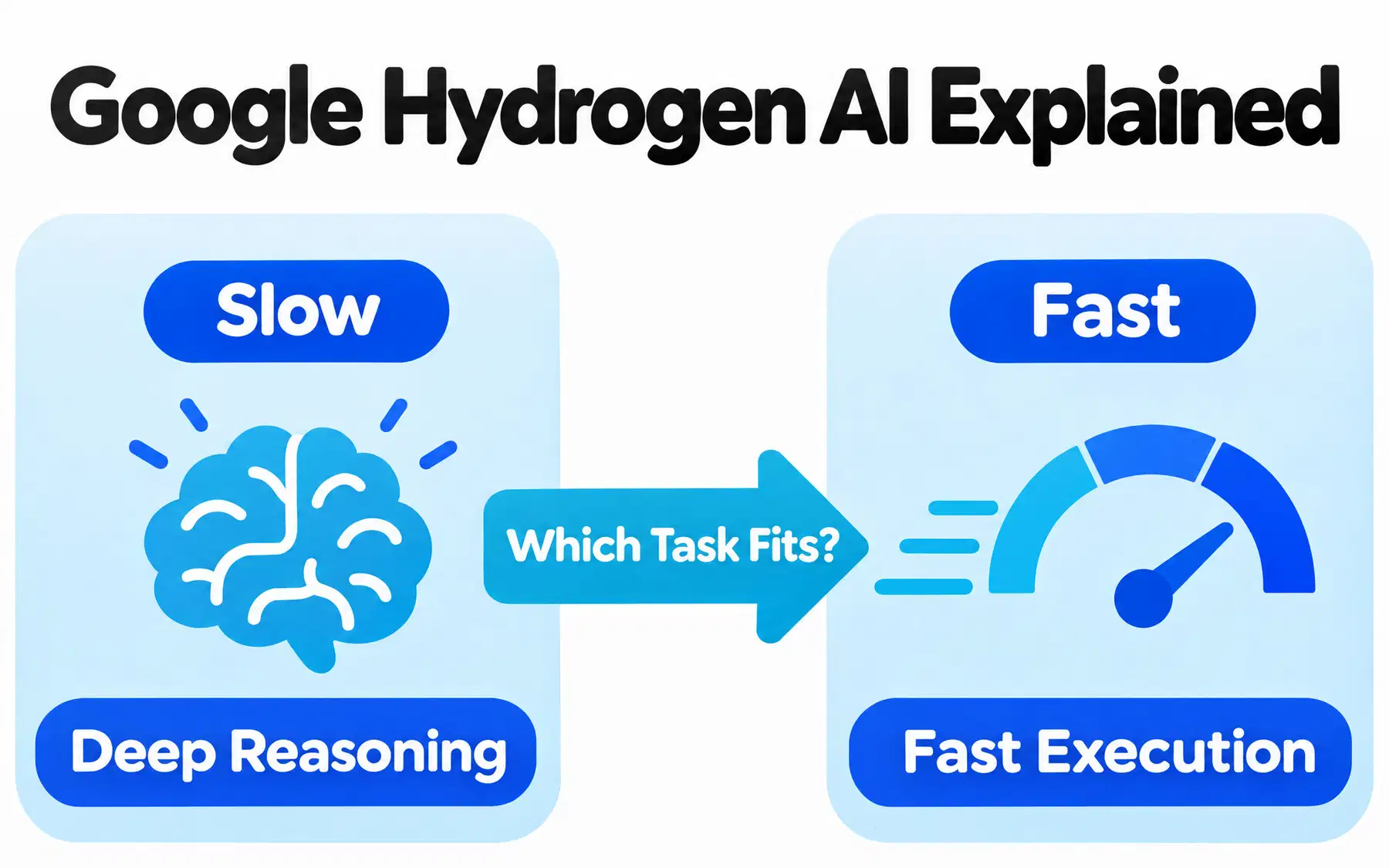
Artificial Intelligence is undergoing a transformative evolution with the advent of next-generation reasoning architectures. These systems are redefining how AI processes information, enhancing capabilities from basic comprehension to complex decision-making. The integration of test-time compute, Monte Carlo Tree Search (MCTS), and advanced process reward models is at the heart of this shift. This evolution is characterized by the delicate balance between open-weight models and proprietary ecosystems, each with its own set of advantages and challenges. As AI continues to evolve, understanding these frontier models is crucial for grasping the future landscape of intelligent systems.
1. The Dawn of Next-Gen AI Models
Advanced Reasoning Capabilities
Next-generation reasoning architectures are designed to push beyond the limitations of traditional AI models. By incorporating test-time compute, these systems can dynamically allocate resources, allowing for more efficient processing and enhanced performance. This approach enables AI to adapt in real-time, optimizing its reasoning process based on the specific task at hand. Monte Carlo Tree Search (MCTS) further augments this capability, offering a strategic framework for decision-making by simulating potential outcomes before committing to an action. This combination of adaptability and strategic foresight marks a significant leap in AI's reasoning abilities.
Process reward models play a critical role in refining AI's decision-making capabilities. These models utilize feedback mechanisms to continuously improve performance, aligning AI actions with desired outcomes. By learning from both successes and failures, AI systems can refine their strategies, becoming more effective over time. This iterative learning process is crucial for developing AI that can operate autonomously in complex environments, making decisions that align with human goals and ethical standards. The integration of these elements is setting a new standard for AI reasoning, paving the way for more intelligent and adaptable systems.
Open-Weight vs. Proprietary Ecosystems
The debate between open-weight models and proprietary ecosystems is central to the evolution of next-gen AI architectures. Open-weight models, such as DeepSeek and Llama 3, offer transparency and accessibility, fostering innovation and collaboration across the AI community. These models allow researchers and developers to experiment, iterate, and build upon existing frameworks, accelerating the pace of AI advancements. However, the open nature of these models also poses challenges, particularly in terms of security and intellectual property protection.
In contrast, proprietary ecosystems like Claude, Gemini, and Mistral offer tightly controlled environments, ensuring robust security and consistent performance. These systems benefit from dedicated resources and focused development efforts, resulting in highly optimized and reliable AI solutions. However, the closed nature of these ecosystems can stifle innovation, limiting the potential for collaborative breakthroughs. Balancing the benefits and drawbacks of these approaches is essential for shaping the future of AI development, ensuring that next-gen architectures can thrive in diverse applications.
2. Deep Architectural Mechanics & Technical Breakdown
Engineering the Future of AI
At the core of next-gen reasoning architectures is a sophisticated interplay of engineering mechanics that enhance AI performance. The implementation of test-time compute allows AI systems to dynamically adjust computational resources based on the complexity of the task. This flexibility is achieved through advanced data flow techniques, which prioritize critical processes while minimizing resource waste. Runtime loops are optimized to facilitate seamless transitions between different stages of computation, ensuring that AI systems can respond quickly and efficiently to changing conditions.
Monte Carlo Tree Search (MCTS) is a pivotal component, providing a robust framework for decision-making. By simulating numerous potential outcomes, MCTS enables AI to evaluate the consequences of different actions, selecting the most promising path forward. This approach is particularly effective in environments characterized by uncertainty and variability, where traditional decision-making strategies may falter. The integration of MCTS into AI architectures enhances their ability to navigate complex scenarios, making them more versatile and reliable in real-world applications.
Performance Trade-offs and Compute Demands
The adoption of next-gen reasoning architectures involves careful consideration of performance trade-offs and computational demands. While test-time compute offers significant advantages in terms of flexibility and efficiency, it also requires substantial processing power. Ensuring that AI systems can operate effectively without overwhelming available resources is a critical challenge. Balancing latency and throughput is essential for optimizing performance, particularly in time-sensitive applications where delays can have significant consequences.
"Optimizing AI performance requires a strategic balance between computational demands and available resources, ensuring that systems remain responsive and effective."
Hardware considerations are also paramount, as advanced architectures demand specialized components to operate at peak efficiency. The integration of high-performance GPUs and custom accelerators can enhance processing capabilities, but these solutions come with increased costs and energy consumption. As AI continues to evolve, finding sustainable approaches to meet these demands will be critical for long-term viability. Addressing these challenges is essential for unlocking the full potential of next-gen reasoning architectures, ensuring that they can deliver on their promise of enhanced intelligence and adaptability.
3. Real-World Implementation & Comparative Breakdown
Practical Applications and Deployment
Next-gen reasoning architectures are already making a significant impact in various industries, demonstrating their potential to transform real-world applications. One notable example is their deployment in autonomous vehicles, where advanced decision-making capabilities are crucial for navigating complex environments. By leveraging test-time compute and MCTS, these systems can rapidly assess potential routes, optimizing for safety and efficiency. This capability is reflected in real-world metrics, with autonomous vehicles demonstrating improved navigation accuracy and reduced collision rates compared to traditional models.
In healthcare, next-gen AI models are revolutionizing diagnostics and treatment planning. By integrating process reward models, AI systems can continuously refine their recommendations, ensuring that they align with the latest medical research and patient data. This iterative learning approach has resulted in more accurate diagnoses and personalized treatment plans, improving patient outcomes and reducing healthcare costs. These applications highlight the transformative potential of next-gen reasoning architectures, underscoring their ability to drive innovation across diverse sectors.
Comparative Analysis of Technical Dimensions
| Technical Dimension | Legacy / Standard Approach | Modern Frontier Approach |
|---|---|---|
| Decision-Making | Rule-Based Systems | Monte Carlo Tree Search |
| Computation | Static Resource Allocation | Test-Time Compute |
| Learning Process | Fixed Models | Process Reward Models |
| Accessibility | Proprietary Frameworks | Open-Weight Models |
The table highlights the distinct advantages offered by next-gen reasoning architectures. While legacy systems rely on static approaches, modern models incorporate dynamic and adaptive techniques, enhancing decision-making and computational efficiency. The shift from proprietary frameworks to open-weight models further emphasizes the collaborative potential of these architectures, fostering innovation and accelerating development.
4. Operational Bottlenecks, Edge Cases & Guardrails
Challenges in Scaling and Security
Despite their potential, next-gen reasoning architectures face several operational challenges that must be addressed to ensure successful deployment. Scaling bottlenecks are a primary concern, as the increased computational demands can strain existing infrastructure. Ensuring that AI systems can scale effectively without sacrificing performance requires careful planning and resource allocation. Additionally, security and governance challenges arise from the open nature of many next-gen models, necessitating robust safeguards to protect sensitive data and intellectual property.
Failure modes are another critical consideration, as complex AI systems may encounter unexpected issues during operation. Addressing these challenges requires the implementation of comprehensive testing and validation protocols, ensuring that systems can operate reliably under diverse conditions. By proactively identifying and mitigating potential risks, organizations can ensure that their AI deployments remain secure and effective.
Deployment Prerequisites
To successfully deploy next-gen reasoning architectures, several prerequisites must be met, ensuring that systems can operate effectively and securely.
- Comprehensive infrastructure assessment is essential, identifying potential bottlenecks and resource limitations that could impact performance.
- Robust security protocols must be implemented, protecting sensitive data and intellectual property from unauthorized access and exploitation.
- Thorough testing and validation procedures are crucial, ensuring that AI systems can operate reliably under diverse conditions and scenarios.
- Continuous monitoring and feedback mechanisms should be established, allowing for real-time performance assessment and iterative improvement.
- Collaboration with industry partners and stakeholders can enhance innovation, providing valuable insights and resources for successful deployment.
5. Future Trajectory & Strategic Blueprint
Anticipated Developments in AI
Over the next 12 to 24 months, next-gen reasoning architectures are expected to undergo significant advancements, further enhancing their capabilities and applications. Continued integration of test-time compute and MCTS will drive improvements in decision-making and efficiency, enabling AI systems to tackle increasingly complex challenges. Advancements in hardware and processing power will also play a crucial role, supporting the development of more sophisticated models that can operate at scale.
Collaboration between open-weight and proprietary ecosystems is anticipated to accelerate, fostering innovation and addressing common challenges. By leveraging the strengths of both approaches, the AI community can drive breakthroughs in reasoning architecture, unlocking new possibilities for intelligent systems. These developments will pave the way for more versatile and adaptable AI solutions, capable of transforming industries and enhancing human capabilities.
Strategic Roadmap for Adoption
Organizations seeking to capitalize on the potential of next-gen reasoning architectures should develop a strategic roadmap for adoption, aligning their goals with the latest advancements in AI technology. This process begins with a comprehensive assessment of existing infrastructure and resources, identifying potential areas for improvement and investment. By establishing a clear understanding of their current capabilities, organizations can prioritize key initiatives that will drive meaningful progress.
Long-term positioning requires a commitment to continuous learning and adaptation, ensuring that AI systems remain at the forefront of technological innovation. By fostering a culture of collaboration and experimentation, organizations can remain agile in the face of evolving challenges and opportunities. Strategic partnerships with AI developers and researchers can further enhance capabilities, providing access to cutting-edge technologies and insights that drive success. By embracing these strategies, organizations can unlock the full potential of next-gen reasoning architectures, positioning themselves for sustained growth and success.