The Breakdown of Traditional Automation vs. Autonomous Systems
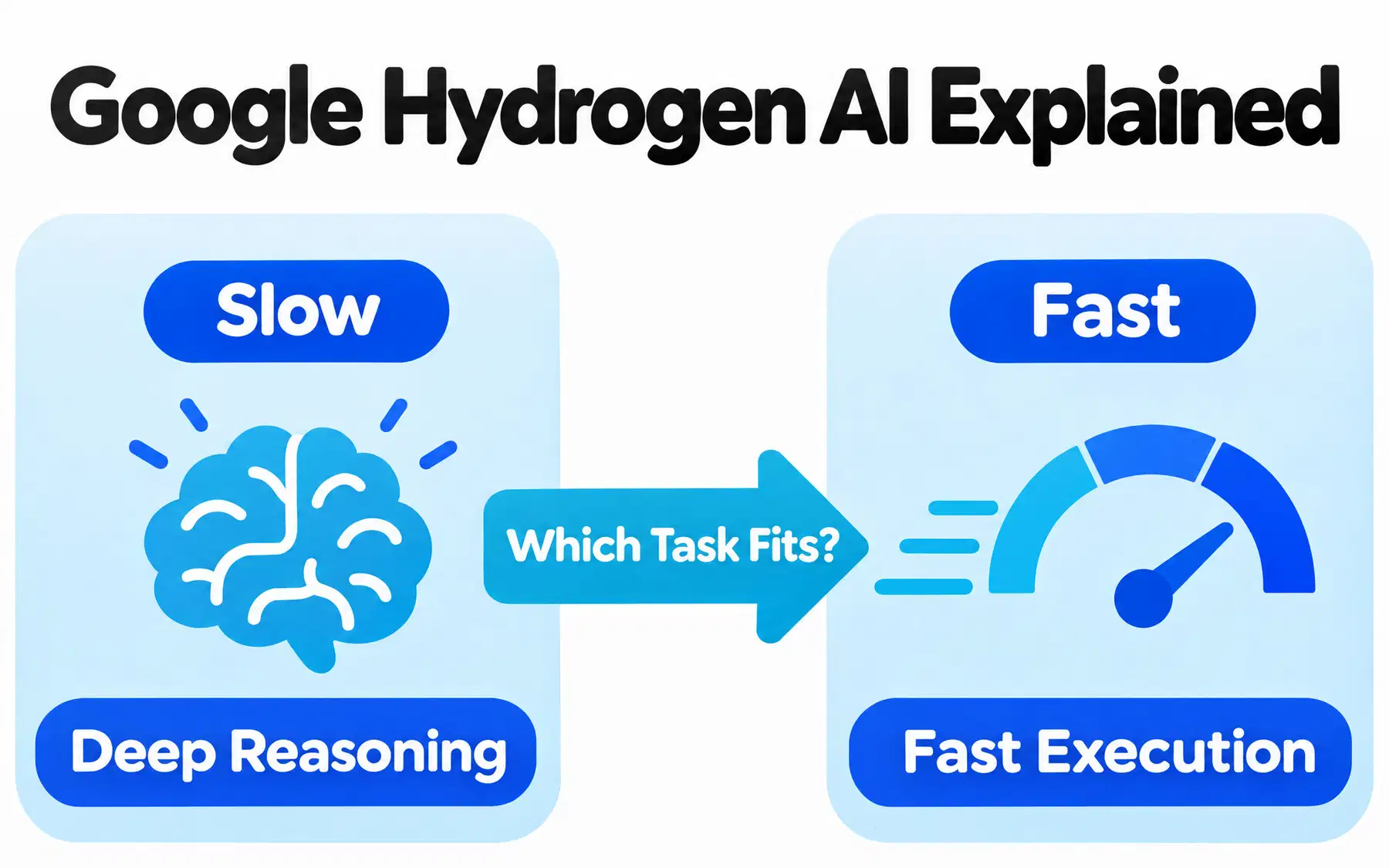
Traditional automation systems rely heavily on deterministic rule-based logic, which often fails to accommodate the dynamic and unpredictable nature of enterprise production environments. These systems are designed to follow a set of predefined instructions, which limits their ability to adapt to novel scenarios. When unexpected conditions arise, such as changes in supply chain dynamics or sudden market shifts, deterministic systems can become rigid and prone to errors. In contrast, agentic AI systems employ reasoning loops that mimic human decision-making processes, allowing them to handle complex edge cases. By leveraging advanced machine learning algorithms, these systems can dynamically adjust their operations in real-time, offering a level of flexibility and adaptability that traditional systems lack.
Agentic reasoning loops are particularly effective in environments where the variables are continuously changing. For example, in a high-frequency trading system, agentic AI can analyze vast amounts of data and make split-second decisions that would be impossible for a rule-based system. This capability is crucial for maintaining operational efficiency and achieving business objectives. The integration of agentic AI into enterprise systems not only enhances their robustness but also enables organizations to innovate and scale rapidly. By understanding and addressing the limitations of traditional automation, businesses can better prepare for the future of autonomous operations.
Core Technical Architecture and Execution Mechanics
The core technical architecture of an agentic AI system involves several key components that work together to enable autonomous decision-making. At the heart of this system is the LLM planner, which serves as the central processing unit that orchestrates various tasks. The LLM planner uses persistent memory to store contextual information, allowing it to make informed decisions based on past interactions. This memory is crucial for maintaining continuity and coherence in multi-step processes. Additionally, tool-calling APIs are integrated to facilitate communication between different software components, enabling seamless data exchange and task execution.
Deterministic fallback layers are implemented as a safety net, ensuring that the system can revert to predefined rules when necessary. This hybrid approach combines the adaptability of agentic AI with the reliability of rule-based systems, providing a balanced solution for enterprise operations. A key architectural axiom in this setup is:
"Incorporate adaptability at every layer, ensuring resilience through both learned and deterministic pathways."
This principle underscores the importance of flexibility in the design and implementation of AI systems, allowing them to thrive in dynamic business environments.
Enterprise Case Study: End-to-End Workflow Breakdown
Consider a large-scale manufacturing enterprise that has implemented an agentic AI system to optimize its supply chain operations. The inputs for this system include real-time data from IoT sensors, market demand forecasts, and supplier information. The autonomous decision tree processes this data to determine the optimal production schedule, inventory levels, and logistics routes. During implementation, the system encountered several edge cases, such as sudden disruptions in the supply chain due to natural disasters. In response, the AI dynamically adjusted procurement strategies and rerouted shipments to ensure timely delivery of products.
The measurable business impact of this implementation was significant. The company reported a 15% reduction in operational costs and a 20% increase in supply chain efficiency. Moreover, the system's ability to predict and respond to market changes in real-time provided a competitive advantage, enabling the business to capitalize on emerging opportunities swiftly. This case study highlights the transformative potential of agentic AI in optimizing complex enterprise workflows, paving the way for enhanced productivity and profitability.
Operational Guardrails and Human-in-the-Loop Governance
Implementing agentic AI systems in enterprise environments necessitates stringent operational guardrails to ensure safety and compliance. Confidence thresholds are established to determine the level of certainty required before executing autonomous decisions. Sandboxed permissions are used to restrict AI actions within safe boundaries, preventing unintended consequences. Data governance protocols are crucial for maintaining data integrity and ensuring compliance with regulatory standards. Automated rollbacks are implemented to revert actions in case of errors, safeguarding against potential disruptions.
- Establish confidence thresholds for autonomous decision execution.
- Implement sandboxed permissions to limit AI capabilities.
- Ensure robust data governance and compliance protocols.
- Integrate automated rollback mechanisms for error correction.
- Maintain human oversight through escalation queues for critical decisions.
By adhering to these protocols, enterprises can deploy agentic AI systems with confidence, minimizing risks and maximizing the benefits of automation.
Strategic Phased Rollout Blueprint for Operators
A strategic phased rollout is essential for successfully integrating agentic AI into enterprise operations without disrupting live workflows. The first step involves conducting a comprehensive audit to assess current systems and identify areas for improvement. This is followed by a pilot phase, where the AI system is tested in a controlled environment to evaluate its performance and identify any potential issues. During this phase, key performance indicators (KPIs) are established to measure success and inform future adjustments.
Once the pilot phase is complete, the system is gradually scaled across the organization, with continuous monitoring to ensure seamless integration. Stakeholders are engaged throughout the process to provide feedback and facilitate adoption. Finally, a post-deployment review is conducted to assess the system's impact and identify opportunities for further optimization. By following this phased approach, enterprises can effectively leverage agentic AI to enhance their operations while minimizing risks and ensuring a smooth transition.