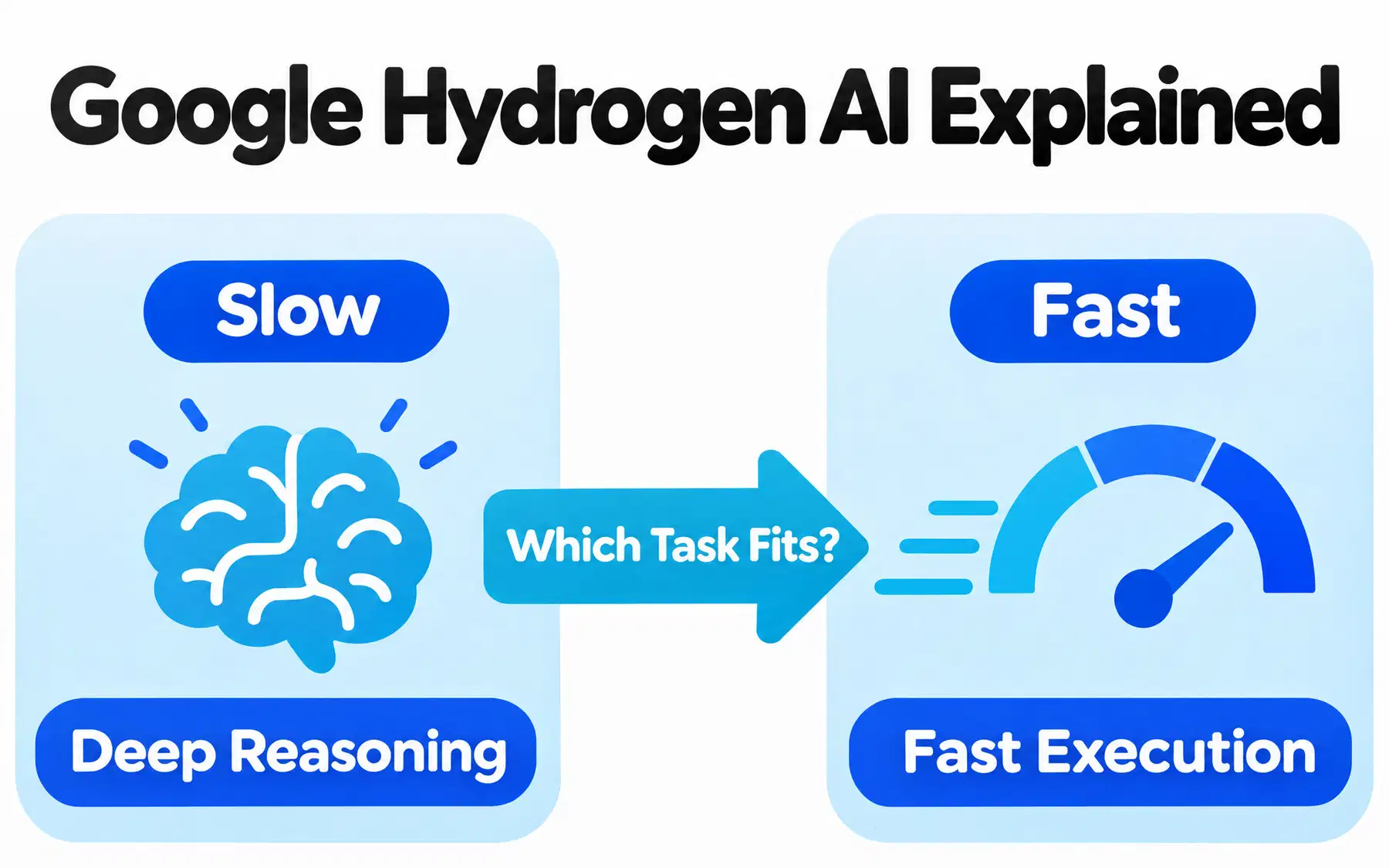
The landscape of AI computing is undergoing a dramatic transformation as specialized silicon architectures push the boundaries of performance and efficiency. Traditional CPUs and GPUs, while powerful, are being complemented and, in some cases, replaced by dedicated AI processors like NPUs and TPUs. These innovations are crucial in meeting the demands of complex AI workloads. This shift is not just about raw power; it’s about optimizing for specific tasks, reducing latency, and improving energy efficiency. As the demand for real-time processing and edge computing grows, the role of AI silicon becomes even more pivotal.
1. Revolutionizing Compute with AI Silicon
Advanced GPU and NPU Architectures
AI silicon is redefining the capabilities of compute infrastructure by introducing advanced GPU and NPU architectures. GPUs have long been the workhorse for AI tasks, but NPUs offer specialized processing units designed to handle neural network computations more efficiently. This specialization allows for significant improvements in speed and power consumption, enabling more complex models to run in real-time. As AI models become more sophisticated, the need for efficient, high-speed computation becomes critical. NPUs offer a promising solution by focusing on the specific demands of AI workloads.
Furthermore, these architectures are designed with scalability in mind, allowing for seamless integration into existing data centers. This modularity is crucial for accommodating the growing size and complexity of AI models. The architectural advancements in NPUs also facilitate better parallel processing capabilities, which are essential for handling the massive data streams characteristic of AI applications. By optimizing these processes, NPUs significantly reduce the time required for model training and inference, providing a competitive edge in AI development.
Local Model Inference and Edge Computing
Local model inference is becoming increasingly important as the demand for real-time AI applications grows. Solutions like Ollama and vLLM enable AI models to run locally on devices, reducing the need for constant cloud connectivity. This shift towards edge computing allows for faster response times and enhanced privacy, as data can be processed and analyzed on-site rather than being sent to a central server. The ability to perform local inference is particularly beneficial in environments where connectivity is unreliable or where latency is a critical factor.
The integration of AI silicon into edge devices also opens up new possibilities for applications in industries such as healthcare, automotive, and IoT. By embedding AI capabilities directly into devices, companies can offer more personalized and responsive services. This approach not only enhances user experience but also reduces the overall operational costs associated with data transmission and cloud processing. The synergy between AI silicon and edge computing is set to drive innovation across multiple sectors, providing a robust framework for future developments.
2. Deep Architectural Mechanics & Technical Breakdown
Engineering Mechanics of AI Silicon
The engineering behind AI silicon involves a deep understanding of both hardware and software integration. The design of NPUs, for example, focuses on optimizing data flow and minimizing latency. This is achieved through advanced pipeline architectures that allow for simultaneous processing of multiple data streams. By leveraging parallel processing capabilities, NPUs can handle large-scale computations more efficiently than traditional CPUs. The integration of specialized accelerators within these processors further enhances their ability to execute complex AI algorithms rapidly.
Another critical aspect is the runtime loop optimizations, which ensure that AI models can operate seamlessly with minimal delays. These optimizations involve fine-tuning the hardware to match the specific requirements of AI workloads, such as adjusting clock speeds and power management settings. This level of customization is essential for achieving the desired performance metrics while keeping energy consumption in check. The engineering prowess behind AI silicon is a testament to the collaborative efforts between hardware designers and AI researchers.
Performance Trade-offs and Compute Demands
While AI silicon offers substantial performance improvements, it also introduces certain trade-offs. One of the primary challenges is balancing power consumption with computational power. High-performance NPUs and TPUs require significant energy, which can be a limiting factor in large-scale deployments. Additionally, the specialized nature of these processors means they are less flexible than general-purpose CPUs, potentially limiting their applicability to a narrower range of tasks. However, the benefits of reduced latency and increased throughput often outweigh these limitations.
"The key to leveraging AI silicon effectively lies in understanding the specific requirements of your workload and choosing the right balance between performance and energy efficiency."
Another consideration is the hardware compatibility and integration with existing infrastructure. While modern AI processors are designed to be modular and scalable, integrating them into legacy systems can present challenges. Organizations must carefully evaluate their current infrastructure and consider potential upgrades to fully capitalize on the benefits of AI silicon. Despite these challenges, the potential for enhanced performance and efficiency makes AI silicon an attractive option for organizations looking to advance their AI capabilities.
3. Real-World Implementation & Comparative Breakdown
Case Study: AI Silicon in Autonomous Vehicles
A compelling example of AI silicon's real-world impact is its use in autonomous vehicles. Companies like Tesla and Waymo are leveraging specialized processors to enable real-time decision-making in complex driving environments. These processors handle tasks such as object detection, route optimization, and sensor data fusion, all of which require high-speed computation and minimal latency. By utilizing AI silicon, these companies can achieve faster processing times and more accurate predictions, enhancing the safety and reliability of their autonomous systems.
Benchmark tests reveal that AI silicon can reduce inference times by up to 50% compared to traditional processors, significantly improving the vehicle's ability to respond to dynamic conditions. Furthermore, the energy efficiency of these processors allows for longer operational times without compromising performance. This is particularly important in electric vehicles, where battery life is a critical factor. The integration of AI silicon in autonomous vehicles exemplifies its potential to transform industries through enhanced computational capabilities.
Comparative Technical Dimensions
| Technical Dimension | Legacy / Standard Approach | Modern Frontier Approach |
|---|---|---|
| Processing Speed | Moderate | High |
| Energy Efficiency | Low | High |
| Latency | High | Low |
| Scalability | Limited | Extensive |
The table highlights the substantial advantages that modern AI silicon brings over traditional approaches. With improvements in processing speed and energy efficiency, AI silicon enables faster and more sustainable computation. The reduction in latency is particularly beneficial for real-time applications, while the enhanced scalability ensures that these solutions can grow alongside evolving technological demands. These advancements underscore the transformative potential of AI silicon in reshaping compute infrastructure.
4. Operational Bottlenecks, Edge Cases & Guardrails
Challenges in Scaling AI Silicon
Despite its advantages, scaling AI silicon across large infrastructures presents several challenges. One of the primary issues is the thermal management of high-performance processors, which require advanced cooling solutions to maintain optimal operation. Failure to address these thermal challenges can lead to reduced performance and potential hardware damage. Additionally, as AI silicon becomes more widespread, ensuring compatibility with existing software ecosystems becomes crucial. This requires significant investment in software development and optimization to fully leverage the hardware's capabilities.
Security is another critical concern, as the integration of AI silicon into sensitive applications demands robust governance frameworks. Ensuring data integrity and protecting against potential vulnerabilities are paramount for maintaining trust in AI systems. Organizations must also consider the environmental impact of deploying large-scale AI silicon solutions, particularly in terms of energy consumption and electronic waste management.
Deployment Prerequisites
Successful deployment of AI silicon requires careful planning and consideration of several key factors.
- Organizations must assess their current infrastructure to determine compatibility and potential upgrade requirements. This involves evaluating both hardware and software components.
- Investing in advanced cooling solutions is crucial to manage the thermal output of high-performance processors effectively. This ensures sustained performance and hardware longevity.
- Developing robust security protocols is essential to protect sensitive data and maintain system integrity. This includes implementing encryption and access controls.
- Environmental considerations should be prioritized, with strategies in place to minimize energy consumption and electronic waste. Sustainable practices can enhance corporate responsibility.
- Training and upskilling of personnel are necessary to manage and operate advanced AI silicon technologies effectively. This ensures that organizations can fully exploit the potential of their investments.
5. Future Trajectory & Strategic Blueprint
Evolution of AI Silicon Technologies
Over the next 12 to 24 months, AI silicon technologies are poised to undergo significant advancements. One key area of development is the integration of AI processors with quantum computing elements, which promises to revolutionize computational capabilities. This hybrid approach could lead to breakthroughs in solving complex problems that are currently beyond the reach of classical computers. Additionally, we can expect continued improvements in energy efficiency and processing power, driven by ongoing research and innovation in semiconductor materials and design techniques.
The expansion of AI silicon into new domains, such as healthcare and personalized medicine, will further showcase its versatility and potential. By enabling real-time data analysis and decision-making, AI silicon can enhance diagnostic accuracy and treatment outcomes. As these technologies mature, they will become increasingly accessible, allowing a broader range of industries to benefit from their capabilities.
Strategic Roadmap for Adoption
Organizations looking to adopt AI silicon should develop a comprehensive strategic roadmap that aligns with their long-term goals. This involves conducting a thorough assessment of current capabilities and identifying areas where AI silicon can provide the most significant impact. By prioritizing investments in infrastructure and talent development, companies can position themselves as leaders in the AI space.
Collaboration with technology partners and industry leaders will be crucial for staying at the forefront of AI silicon innovations. By participating in industry forums and research initiatives, organizations can gain valuable insights and access to cutting-edge technologies. Additionally, fostering a culture of innovation and experimentation will enable organizations to adapt quickly to emerging trends and capitalize on new opportunities. Through strategic planning and proactive engagement, companies can harness the full potential of AI silicon and drive transformative change across their operations.