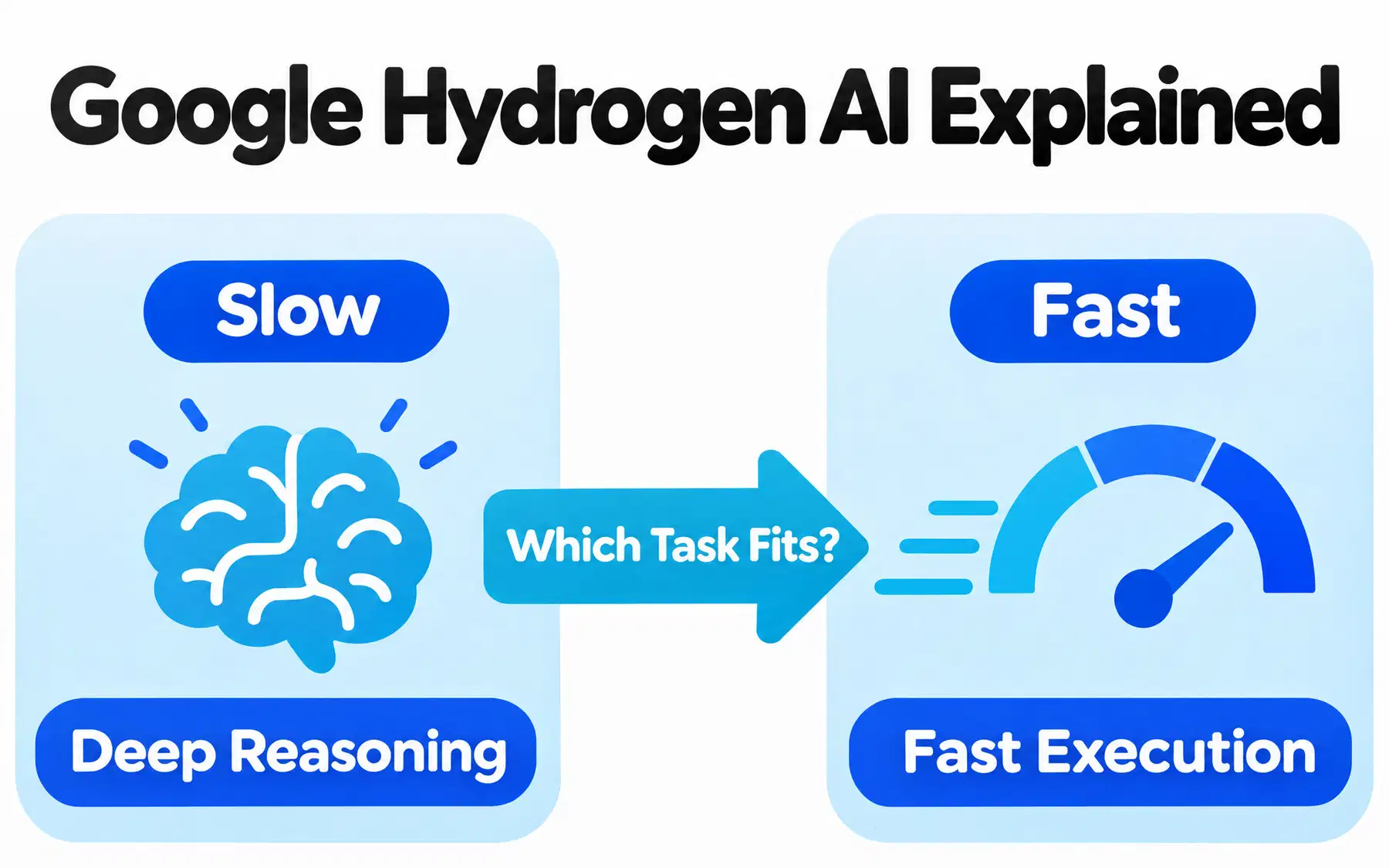
As artificial intelligence continues to evolve, a significant shift is underway in how machines process information and make decisions. This evolution is being driven by next-generation reasoning architectures that promise to enhance the cognitive abilities of AI systems. These architectures are not only redefining the computational limits of AI but also challenging the existing paradigms of proprietary and open-weight ecosystems. The emergence of models like DeepSeek, Llama 3, and Mistral signifies a new era where multimodal capabilities and sophisticated reasoning are becoming the norm. This transformation is poised to influence various sectors, from autonomous systems to personalized AI assistants, making it crucial to understand the underpinnings of these frontier models.
1. The New Wave of Reasoning Architectures
Multimodal Integration: A Quantum Leap
Multimodal architectures represent a significant leap forward in AI capabilities, allowing models to process and integrate information from diverse sources such as text, images, and sound. This integration facilitates a more comprehensive understanding of context, enabling AI to perform complex tasks that require nuanced interpretation. For instance, models like Gemini and Claude are pushing the boundaries of what multimodal systems can achieve, demonstrating remarkable proficiency in tasks that require simultaneous interpretation of visual and textual data. This capability not only enhances user interaction but also broadens the scope of AI applications across industries.
Moreover, the synergy between multimodal inputs leads to improved decision-making processes. By leveraging a combination of sensory data, these models can derive insights that are more aligned with human reasoning. This is particularly evident in fields like healthcare, where AI systems must analyze medical imagery alongside patient records to provide accurate diagnoses. The ability to synthesize data from multiple modalities enhances the AI’s ability to understand complex scenarios, leading to more reliable and actionable outcomes.
Open-Weight Models vs. Proprietary Ecosystems
The debate between open-weight models and proprietary ecosystems is intensifying as AI systems become more advanced. Open-weight models, such as Llama 3 and Qwen, offer transparency and flexibility, allowing researchers and developers to tweak and optimize algorithms without restrictions. This openness fosters innovation and collaboration, as seen in community-driven projects that rapidly iterate and improve upon existing models. On the other hand, proprietary models like DeepSeek offer controlled environments where performance is optimized for specific tasks, often at the cost of transparency.
This dichotomy presents both opportunities and challenges. While open-weight models democratize AI development, they may also lead to inconsistencies in performance and security vulnerabilities. Conversely, proprietary models provide robust performance guarantees but limit adaptability. Organizations must weigh these factors carefully, considering their specific needs and the potential for long-term innovation. The choice between open and closed ecosystems will significantly impact how AI evolves and integrates into various sectors.
2. Deep Architectural Mechanics & Technical Breakdown
Engineering the Next-Gen Architectures
The underlying mechanics of next-generation reasoning architectures involve sophisticated data flow and processing techniques. At the core, these models leverage advanced neural network designs that incorporate attention mechanisms and process reward models. Such architectures enable the model to focus on relevant data points, optimizing the decision-making process. Test-time compute, a critical component, allows these models to dynamically allocate computational resources, ensuring efficient operation even with limited hardware.
For instance, Monte Carlo Tree Search (MCTS) is a method used in these architectures to enhance decision-making. By simulating various outcomes, MCTS helps in identifying optimal actions, particularly in scenarios with uncertain or incomplete information. This approach mimics human-like reasoning, allowing AI to navigate complex environments effectively. As these techniques become more refined, they will continue to push the boundaries of what AI can achieve in real-time decision-making contexts.
Performance Considerations and Computational Demands
The deployment of next-gen reasoning architectures comes with significant performance trade-offs. While they offer enhanced capabilities, the computational demands are substantial, often requiring state-of-the-art hardware to operate efficiently. Latency can be a critical issue, especially in applications that require real-time responses. Balancing computational efficiency with performance is a key challenge that developers must address to ensure the viability of these models in production environments.
"Optimizing AI models often involves a trade-off between computational efficiency and performance fidelity."
Hardware advancements, such as specialized AI accelerators, are crucial in mitigating these demands. By leveraging tailored processing units, organizations can achieve the desired performance without compromising on speed or accuracy. However, these solutions require significant investment and infrastructure, which may not be feasible for all entities. Thus, a strategic approach to hardware and software integration is essential for maximizing the potential of these next-gen models.
3. Real-World Implementation & Comparative Breakdown
Deployment in Autonomous Systems
The real-world implementation of next-gen reasoning models can be seen in autonomous systems, where decision-making speed and accuracy are paramount. For example, self-driving cars utilize these architectures to process vast amounts of sensor data, enabling them to navigate complex traffic scenarios safely. Metrics from recent deployments indicate a significant reduction in error rates, with some systems achieving near-human levels of accuracy in object detection and path planning.
These improvements are attributed to the models' ability to process and integrate data from multiple sources, providing a holistic view of the driving environment. Benchmarks show that these systems can operate effectively under diverse conditions, from urban settings to rural landscapes, demonstrating the versatility of next-gen reasoning architectures. As these models continue to evolve, their impact on autonomous technology will likely expand, driving further advancements in safety and efficiency.
Technical Comparison
| Technical Dimension | Legacy / Standard Approach | Modern Frontier Approach |
|---|---|---|
| Data Processing | Sequential Analysis | Parallel Multimodal Integration |
| Decision Making | Rule-Based Logic | Dynamic MCTS and Attention |
| Performance | High Latency | Optimized Test-Time Compute |
| Hardware Requirements | General CPU/GPU | AI-Specific Accelerators |
The comparison highlights the transformative impact of next-gen reasoning models across key technical dimensions. Modern approaches leverage parallel processing and dynamic decision-making to overcome the limitations of traditional methods. This shift not only enhances performance but also optimizes hardware utilization, enabling more efficient and effective AI systems.
4. Operational Bottlenecks, Edge Cases & Guardrails
Challenges in Scaling and Security
Despite their advantages, next-gen reasoning architectures face significant operational challenges. Scaling these models for widespread use can be complex, often requiring tailored solutions to accommodate diverse deployment environments. Additionally, security concerns arise from the increased complexity and potential vulnerabilities inherent in open-weight models. Ensuring data integrity and model robustness is crucial, particularly in sensitive applications like healthcare and finance.
Governance frameworks must evolve to address these challenges, providing guidelines for safe and ethical AI deployment. This includes establishing standards for model validation and monitoring, as well as developing protocols to manage unexpected behaviors and failures. As these models become more integrated into critical systems, the importance of comprehensive governance cannot be overstated.
Deployment Prerequisites
Successful deployment of next-gen reasoning models requires careful consideration of various factors.
- Hardware Infrastructure: Adequate computational resources are essential to support the intensive processing demands of these models. Organizations must invest in AI-specific hardware accelerators.
- Data Management: Efficient data handling and preprocessing pipelines are crucial to ensure the models receive high-quality inputs. This involves implementing robust data validation and augmentation techniques.
- Security Protocols: Ensuring data privacy and model security is paramount. Organizations should adopt encryption and access control measures to protect sensitive information.
- Governance Frameworks: Establishing clear guidelines for model deployment and monitoring is necessary to maintain operational integrity and compliance with regulatory standards.
- Continuous Learning: Implementing mechanisms for ongoing model training and adaptation is vital to maintain performance as environmental conditions and data inputs evolve.
5. Future Trajectory & Strategic Blueprint
Anticipating the Next 12–24 Months
The next few years will likely see significant advancements in reasoning architectures, driven by ongoing research and technological innovation. We can expect the integration of even more sophisticated multimodal systems, enabling AI to achieve deeper contextual understanding and more accurate decision-making. As models become more efficient, the barriers to entry for deploying advanced AI solutions will decrease, leading to wider adoption across industries.
Additionally, the collaboration between open-weight and proprietary ecosystems may yield hybrid models that combine the best of both worlds. These models will offer the transparency and flexibility of open systems while providing the performance and security of proprietary solutions. Such developments will redefine the landscape of AI research and application, fostering a new era of intelligent systems that can seamlessly integrate into daily life.
Strategic Roadmap for Organizations
Organizations looking to leverage next-gen reasoning architectures should focus on strategic planning and investment. This involves assessing current capabilities and identifying areas where advanced AI can provide the most value. Developing a clear roadmap that outlines the steps for integration, from infrastructure upgrades to talent acquisition, is essential for successful implementation.
Long-term positioning requires a commitment to innovation and continuous improvement. By fostering a culture of experimentation and learning, organizations can stay ahead of the curve and adapt to emerging trends. Partnerships with AI research institutions and technology providers can also enhance capabilities and provide access to cutting-edge developments. Ultimately, a proactive approach will enable organizations to harness the full potential of next-gen reasoning architectures, driving growth and competitive advantage.